Where To Buy Land in North Alabama for Building A New Home
7074802861 • December 12, 2025

December 12, 2025

Where to buy land in Northern Alabama for a new home?
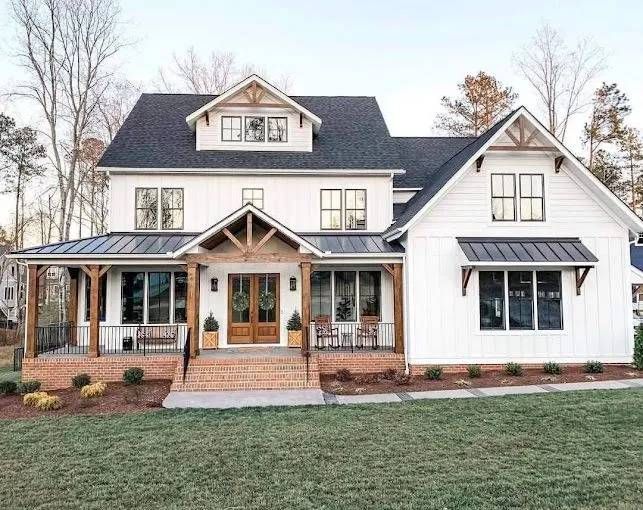
🏡 Dream Big in the Heart of Dixie: The Ultimate Guide to Buying Land for Your Custom Home in North Alabama


North Alabama is more than just the home of the U.S. Space and Rocket Center; it’s a region defined by dynamic economic growth, breathtaking mountain views, and the tranquil beauty of its lakes and rivers. If your dream involves laying the foundation for a custom home built exactly to your specifications, North Alabama offers some of the best land opportunities in the Southeast.

Choosing the right location is the first and most critical step. Here is a thorough breakdown of the prime areas to buy land for building your custom North Alabama retreat.


1. The Huntsville/Madison Corridor: The High-Growth Hub

Madison County (Huntsville and Madison) is the economic engine of North Alabama, consistently ranked as one of the fastest-growing areas in the country. Land here provides the highest investment potential, but generally comes at a higher premium.

  • The Vibe: High-tech, educated, amenity-rich, and rapidly expanding.
  • Best for: Professionals, families valuing top-rated schools, and those who need quick access to high-paying defense and aerospace jobs.

Location ProfileWhy Buy Land Here?Land ConsiderationsHuntsville (Fringes/New Developments)Excellent access to downtown, Research Park, and cultural centers. Look to areas like Owens Cross Roads or the base of Green Mountain.Price: Expect higher per-acre costs. You'll often find smaller, pre-approved residential lots in custom home communities.Madison/Harvest/ToneyOutstanding public school systems. A slightly more suburban feel with great shopping and dining. Areas like Toney and Hazel Green offer more acreage for a desirable commute.Infrastructure: Most lots will have utilities readily available, but expect strict homeowner association (HOA) rules or city zoning restrictions on your custom build.Hampton CoveA premier master-planned community known for its championship golf course, mountain views, and luxury homes.Exclusivity: Land is scarce and often sold within the community's master plan. Be prepared for high land prices and detailed architectural review board requirements.


🔑 Pro-Tip for the Corridor:

To maximize your space and value, look to adjacent Limestone County (Athens/Ardmore) or the outer edges of Madison County (Gurley, New Market). You can often save considerably on land costs while maintaining a reasonable commute into Huntsville/Madison.


2. Lake Guntersville Area: The Waterfront Dream

Marshall County, anchored by Guntersville and the immense Lake Guntersville, is perfect for those who prioritize natural beauty and water recreation. The Tennessee River winding through the mountains provides some of the most scenic homesites in the state.

  • The Vibe: Laid-back lake life, fishing, boating, and stunning Appalachian foothills scenery.
  • Best for: Retirees, water-sports enthusiasts, and those looking for a vacation home that can transition into a primary residence.

Location Profile


Why Buy Land Here?


Land ConsiderationsGuntersville (Waterfront)Direct lake access for boating, fishing (known for bass), and unparalleled views. Offers a charming downtown with local shops and dining.Skepticism: Deep waterfront land is rare and the most expensive. Expect a significant premium and specific requirements from the Tennessee Valley Authority (TVA) for dock permits and building setbacks.Scottsboro/Jackson CountyLess commercialized than Guntersville, offering more acreage and often lower prices for land near the upper parts of the lake. Great for a more private, rural setting.Utilities: Rural lots may require well and septic installation, which adds to site prep costs. Be sure to check zoning and flood plain maps carefully.3. The Shoals Region: History, Arts, and River Views


The "Shoals" area—comprised of Florence (Lauderdale County) and Muscle Shoals (Colbert County)—is famous for its music history (Muscle Shoals Sound) and sits along the beautiful Tennessee River.

  • The Vibe: Culturally rich, university town (Florence's UNA), and a slower, more historic pace of life compared to Huntsville.
  • Best for: Those seeking a blend of cultural amenities, riverside living, and a lower cost of living than the main metro areas.
  • Land Opportunity: Look for land in Florence for proximity to the university and downtown's revitalized dining scene. For more significant acreage and privacy, search the rolling hills of Colbert County or rural Lauderdale County. The overall land costs here are often more affordable than in the Huntsville area.


4. Limestone County (Athens): The Value Play

Just west of Madison and Huntsville, Athens and the surrounding areas in Limestone County are a prime location for those who need to commute to the job centers but want lower land costs and more breathing room.


  • The Vibe: Traditional Southern charm, agricultural roots, and rapid residential growth.
  • Best for: Commuters, young families, and buyers seeking large lots at a lower price point.
  • Land Opportunity: You can find 1 to 5-acre tracts near towns like Athens and Elkmont for significantly less than comparable land in Madison County. Many builders are constructing custom and semi-custom homes in this area, making it easier to find a reputable local contractor. The trade-off is a slightly longer drive to major amenities.


🚧 Building on Land: Key Considerations Beyond Location

Buying raw land is different from buying a lot in a developed subdivision. The following factors will significantly impact your final building cost.


1. Site Preparation and Utilities


Clearing & Grading Heavily wooded or sloped land costs more to prepare. You'll need to remove trees, clear stumps, and level the home site.$\$5,000 - \$20,000+$ (depending on acreage and slope)

Soil Testing Essential for determining the best foundation type. Poor soil can necessitate a more expensive structural slab or pilings.$$2,000 - $4,000

Utilities Connection Distance to the nearest public water, sewer, and power lines. The farther you are, the more expensive it is. Rural land may require a well and septic system.Septic: $5,000 - $15,000; Well: $10,000 - $25,000+


2. Cost to Build Per Square Foot

While land costs may be lower in rural North Alabama, the total cost of construction remains high. Based on current market trends, the average price per sq. ft is $200.


3. Zoning and Restrictions

  • Rural Land: Generally fewer zoning restrictions, giving you more freedom on house size and outbuildings (barns, workshops). However, you'll be fully responsible for your utilities and road access.
  • Subdivision Lots: Expect covenants and restrictions (CCR's) and often an Architectural Review Committee (ARC) that must approve your plans. This protects the neighborhood's aesthetic and property values but limits your design choices.


🛠️ Next Steps for Your Land Search


  1. Get Pre-Approved for a Land Loan: Financing raw land is different from a traditional mortgage. Speak to a local lender who understands construction loans.
  2. Consult a Local Custom Builder: Before you buy, have a custom home builder (like those operating in Huntsville, Guntersville, or Scottsboro) walk the property with you. They can spot potential site issues (drainage, rock formations, utility access) that a non-expert might miss, saving you thousands in unexpected site prep costs.
  3. Work with a Land Specialist Realtor: Find an agent who specializes in land sales, not just residential homes. They are crucial for navigating zoning, surveys, and rural utility easements.

North Alabama is booming, and your custom home vision is absolutely attainable. By targeting the right region and preparing for the unique costs of raw land, you’ll soon be calling your piece of the beautiful Tennessee Valley "home."
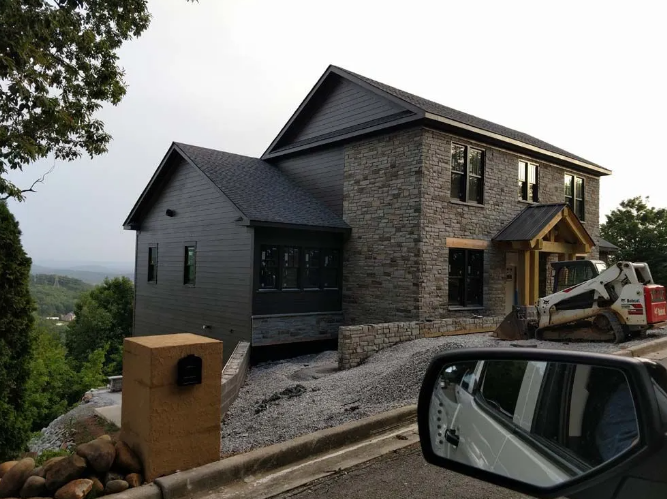
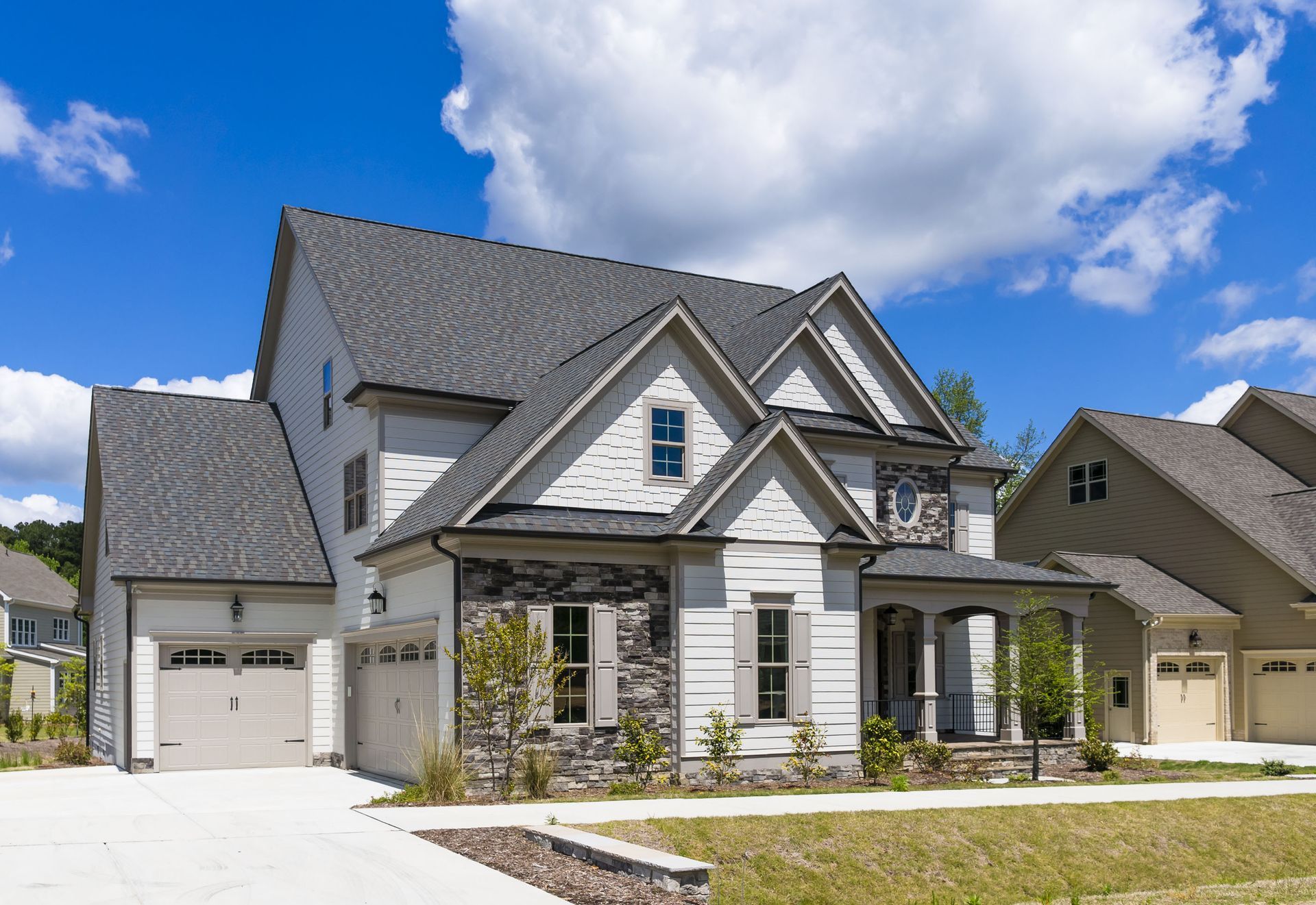
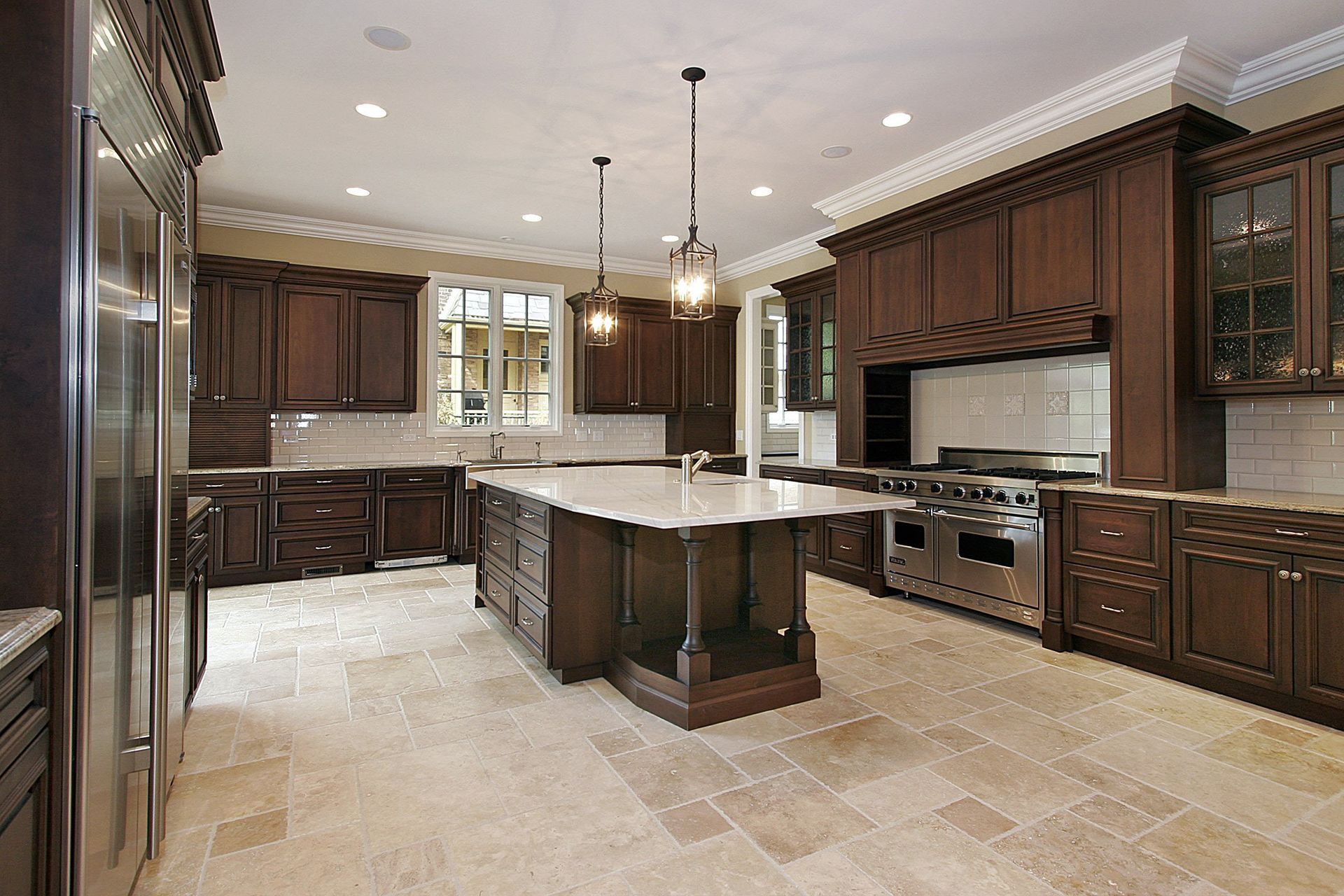
Home renovation vs. new custom home: A blue Victorian house on the left, modern house with a pool on the right.
October 3, 2025
Renovation vs. New Custom Build: Which is Right for You? At Southern Family Home Builders, we’ve been crafting dream homes across the South for decades, and one of the most common questions we hear from clients is, “Should I renovate my existing home or build a new custom home from scratch?” It’s a big decision, with unique benefits and challenges for each path. To help you decide, we’re breaking down the pros and cons of renovation versus a new custom build, drawing on our expertise as a family-owned builder dedicated to quality, Southern charm, and personalized service. Renovation: Breathing New Life into Your Existing Home Renovating your current home can be a fantastic way to update your space while preserving its character and memories. Here’s what to consider: Pros of Renovation Cost Savings (Sometimes): Renovations can be less expensive than building a new home, especially if you’re updating specific areas like the kitchen, bathrooms, or adding an extension. Cosmetic updates, like new flooring or paint, are often budget-friendly. Faster Timeline: Depending on the scope, renovations typically take less time than a full custom build. A kitchen remodel might take a few months, compared to a year or more for a new home. Preserving Memories: If your home holds sentimental value—maybe it’s where you raised your family or celebrated milestones—renovation lets you stay in a familiar space while modernizing it. Location Retention: Love your neighborhood? Renovating means you don’t have to leave your community, schools, or favorite local spots. Cons of Renovation Hidden Costs: Older hom es often come with surprises, like outdated wiring, plumbing issues, or structural damage. These can inflate your budget unexpectedly. Design Limitations: You’re working within the existing footprint, which may restrict your ability to achieve your dream layout or incorporate modern features. Disruption: Living through a renovation (or moving out temporarily) can be stressful, with dust, noise, and contractors in your space. Energy Efficiency Challenges: Retrofitting an older home to meet modern energy standards can be costly and less effective than building new. Our Expertise : At Southern Family Home Builders, we approach renovations with the same care as our custom builds. Whether it’s transforming a dated ranch into an open-concept haven or adding a cozy sunroom, we work closely with you to maximize your home’s potential while keeping surprises to a minimum. New Custom Build: Designing Your Dream from the Ground Up Building a new custom home offers a blank canvas to create exactly what you envision. Here’s what you need to know:Pros of a New Custom BuildTotal Customization: From the floor plan to the finishes, a new build lets you design every detail to match your lifestyle. Want a sprawling Southern porch, a chef’s kitchen, or a home office with a view? The sky’s the limit. Energy Efficiency: New homes are built to modern standards, with advanced insulation, HVAC systems, and smart technology that reduce utility bills and environmental impact. Low Maintenance: Everything is brand new—think new plumbing, electrical, and roofing—so you’re less likely to face costly repairs in the near term. Future-Proofing: We can incorporate features like wider doorways, single-level layouts, or flexible spaces to accommodate aging-in-place or growing families. Cons of a New Custom Build Higher Upfront Costs: Building a custom home typically requires a larger initial investment than most renovations, especially when factoring in land, permits, and construction. Longer Timeline: Designing and building a home from scratch can take 12-18 months or more, depending on the complexity and size. Lot Selection Challenges: Finding the perfect lot in your desired area can be tricky, with considerations like zoning, utilities, and topography (check out our blog on Choosing the Right Lot for more tips!). Emotional Shift: Leaving a familiar home or neighborhood can be bittersweet, even if the new home is everything you’ve dreamed of. Our Approach : At Southern Family Home Builders, we make the custom build process seamless and personal. From helping you select the ideal lot to guiding you through design choices that reflect your Southern roots, we’re with you every step of the way. Our team prides itself on crafting homes that blend timeless craftsmanship with modern functionality. Which Path is Right for You? The decision comes down to your priorities, budget, and vision. Ask yourself:What’s driving your project? If you love your location but need more space or modern updates, a renovation might be ideal. If you’re craving a fully tailored home with no compromises, a custom build is the way to go. What’s your budget? Renovations can start small, but unexpected issues can add up. A new build has a higher upfront cost but offers long-term savings through efficiency and durability. How much time do you have? If you need a quick refresh, renovation is faster. If you’re planning for the long haul, a custom build is worth the wait. What’s your vision? If your current home’s layout or lot limits your dreams, a new build gives you freedom. If you’re attached to your home’s character, a renovation can enhance it. Let Southern Family Home Builders Guide You At Southern Family Home Builders, we’re passionate about turning your vision into reality, whether that means revitalizing your current home or building a new one from the ground up. As a family-owned company rooted in Southern values, we bring warmth, integrity, and expertise to every project. Ready to explore your options? Contact us today for a consultation, and let’s start building your future together!
Back of a large gray mansion with a pool, balcony, and lush trees.
October 3, 2025
Choosing the Right Lot: Factors to Consider Before Building Your Custom Home Building your dream custom home starts with one critical decision: choosing the right lot. The land you select will shape every aspect of your home, from its design and layout to its long-term value and livability. As a custom home building company with years of experience, we’ve guided countless clients through this process, and we’re here to share the key factors you should consider when picking the perfect lot for your custom home. 1. Location, Location, Location The old real estate adage holds true—location is paramount. Think about how the lot’s location aligns with your lifestyle and priorities: Proximity to Amenities: Are schools, grocery stores, healthcare facilities, and recreational areas nearby? A convenient location can enhance your quality of life. Commute and Accessibility: Consider how far the lot is from your workplace or key destinations. Check for access to major roads, public transit, or even walkability if that’s important to you. Neighborhood Vibe: Does the area match your vision? Whether you prefer a quiet rural setting, a bustling suburban community, or an urban oasis, ensure the neighborhood feels like home. Pro Tip: Visit the lot at different times of day to gauge traffic, noise levels, and the overall atmosphere. A peaceful morning might hide evening rush-hour noise! 2. Topography and Natural Features The physical characteristics of a lot play a huge role in the design and cost of your custom home:Slope and Elevation: Flat lots are often easier and less expensive to build on, while sloped lots may require additional grading or foundation work. However, a sloped lot can offer stunning views or unique design opportunities, like a walkout basement. Soil Quality: Soil composition affects foundation stability. Sandy or rocky soil may require specialized engineering, while clay-heavy soil can lead to drainage issues. A geotechnical survey can prevent costly surprises. Natural Features: Trees, streams, or rock formations can add character but may also restrict where you can build. Consider how these features align with your vision and local regulations. Our Expertise: At Southern Family Home Builders, we conduct thorough site evaluations to assess topography and soil conditions, ensuring your home’s foundation is solid and your design maximizes the lot’s natural beauty. 3. Zoning and Building Regulations E very lot comes with a set of rules that dictate what you can build. Understanding these restrictions upfront is critical: Zoning Laws: Check with the local municipality to confirm the lot is zoned for residential use and whether there are restrictions on home size, height, or style. Setbacks and Easements: Setbacks determine how far your home must be from property lines, while easements may reserve portions of the lot for utilities or public access. These can limit your usable space. HOA Rules: If the lot is in a planned community, review the homeowners’ association (HOA) guidelines for design standards, landscaping requirements, or other restrictions. Pro Tip: We recommend working with a builder who’s familiar with local regulations. Our team navigates zoning and permitting processes to ensure your project complies without delays. 4. Utilities and Infrastructure Access to utilities is a make-or-break factor for any lot: Water and Sewer: Confirm whether the lot connects to municipal water and sewer systems or requires a well and septic system. Private systems can add significant upfront and maintenance costs. Electricity and Gas: Ensure the lot has access to power lines and, if desired, natural gas. Remote lots may require costly extensions or alternative energy solutions like solar. Internet and Connectivity: In today’s world, reliable high-speed internet is a must. Rural lots may have limited options, so verify connectivity with providers. Our Approach: We coordinate with utility providers early in the planning process to confirm availability and budget for any necessary infrastructure upgrades. 5. Future Development and Resale Potential Think long-term when choosing your lot. The surrounding area can impact both your enjoyment and your home’s future value: Planned Developments: Research upcoming projects nearby, such as new subdivisions, commercial centers, or infrastructure changes. These could enhance or detract from your lot’s appeal. Resale Value: A lot in a desirable, growing area is more likely to hold or increase in value. Look for neighborhoods with strong market trends or unique features, like waterfront access or scenic views. Privacy and Views: Consider how neighboring properties or future construction might affect your privacy or obstruct your views. A lot with protected green space nearby can be a bonus. Pro Tip: Check with the local planning department or consult with a real estate expert to understand the area’s growth trajectory. 6. Budget Considerations The lot itself is just one part of the equation. Factor in additional costs that can vary by lot: Site Preparation: Clearing trees, grading land, or removing rocks can add thousands to your budget. Permits and Fees: Some lots require impact fees, environmental assessments, or special permits, depending on the location and regulations. Design Compatibility: A lot with unique challenges (e.g., steep slopes or flood zones) may require a more complex, costly home design. At Southern Family Home Builders, we provide transparent cost estimates, factoring in lot-specific expenses to keep your project on budget. 7. Emotional Connection Finally, don’t underestimate the “feel” of the lot. Walk the property, imagine your home there, and ask yourself:Does this lot inspire you? Can you picture your family living here for years to come? Does the setting align with your vision for your dream home? A lot that checks practical boxes but doesn’t spark joy may not be the right fit. Trust your instincts—this is where your story begins.Let Us Help You Find the Perfect LotChoosing the right lot is a blend of practical planning and personal vision. At Southern Family Home Builders, we’re more than builders—we’re partners in bringing your dream home to life. Our team can assist with lot evaluations, connect you with trusted real estate professionals, and design a home that maximizes your lot’s potential. Ready to take the first step? Contact us today to start your custom home journey!
Elegant two-story white house with a stone and wood facade, a long driveway, and well-maintained landscaping.
September 29, 2025
When you’re ready to build your dream home, one of the first decisions you’ll face is whether to go with a custom home or a spec (speculative) home. Both options have their merits, but for those who value uniqueness, quality, and a home tailored to their lifestyle, a custom home often stands out as the superior choice. In this post, we’ll compare the pros and cons of custom and spec homes, highlighting why a personalized build could be the key to creating a space that truly feels like yours. What Are Custom Homes and Spec Homes? Custom homes are built from the ground up based on your specific vision, needs, and preferences. You work closely with architects, designers, and builders to create a one-of-a-kind home tailored to your lifestyle, from the floor plan to the finishes. Spec homes , on the other hand, are pre-designed homes built by developers with the intention of selling them quickly. These homes are often constructed with standard layouts and features to appeal to a broad market, meaning you’re buying a finished or nearly finished product. Let’s break down the pros and cons of each to help you decide which path is right for you. Pros of Custom Homes Complete Personalization : With a custom home, every detail is up to you. Want a chef’s kitchen with double islands? A home theater with acoustic paneling? A wraparound porch for sunset views? You dream it, and your builder can make it happen. Tailored to Your Lifestyle : Whether you need a home office for remote work, a spacious mudroom for your active family, or accessibility features for aging in place, a custom home is designed to fit your life, not a generic buyer’s. Higher Quality Materials and Craftsmanship: Custom builders often prioritize quality over cost-cutting, allowing you to choose durable, high-end materials that stand the test of time. Energy Efficiency and Modern Technology: You can integrate the latest in sustainable design, like solar panels or smart home systems, to reduce your environmental footprint and save on utility bills. Future-Proofing : A custom home can be designed with your long-term needs in mind, such as extra bedrooms for a growing family or single-story layouts for accessibility. Cons of Custom Homes Higher Initial Cost : Customization often comes with a higher price tag due to bespoke designs, premium materials, and specialized labor. Longer Timeline : Building a custom home takes time—typically 12-18 months or more, depending on complexity—since every decision is made from scratch. Decision Fatigue : With so many choices (flooring, fixtures, layouts, oh my!), the process can feel overwhelming without a clear vision or trusted builder to guide you. Pros of Spec Homes Faster Move-In : Spec homes are often completed or near completion, meaning you can move in much sooner—sometimes within weeks. Lower Upfront Costs : Because they’re built with standardized designs and materials, spec homes are typically more affordable than custom builds. Less Decision-Making : The design choices are already made, which can be a relief for buyers who want a straightforward process. Cons of Spec Homes Limited Personalization : Spec homes are designed for mass appeal, so you may have to compromise on layout, finishes, or features that don’t align with your vision. Generic Design : These homes often lack the unique character or functionality you might crave, like a custom pantry for your baking obsession or a dedicated pet-washing station. Lower Quality Materials : To keep costs down, developers may use standard-grade materials that don’t hold up as well over time. Resale Challenges : A cookie-cutter design may not stand out in a competitive market, potentially affecting your home’s long-term value. Why Custom Homes Are Worth It While spec homes offer convenience and affordability, custom homes deliver unmatched value for those who prioritize individuality and quality. Here’s why choosing a personalized build could be the best investment for your future: A Home That Reflects You: A custom home isn’t just a place to live—it’s an expression of your personality, values, and lifestyle. Whether it’s a cozy reading nook or a sprawling outdoor kitchen for entertaining, every element is designed with you in mind. Long-Term Savings : While the upfront cost may be higher, custom homes often incorporate energy-efficient systems and durable materials that save money on utilities and maintenance over time. For example, choosing high-quality windows or insulation can significantly reduce heating and cooling costs. Built for Your Future : A custom home grows with you. Planning to start a family? Add flexible spaces that can evolve from a nursery to a teen hangout. Want to age in place? Incorporate universal design features like wider doorways or step-free showers. Increased Property Value: Unique, well-crafted homes often command higher resale values because they stand out in the market. Buyers are willing to pay a premium for a home that feels special and thoughtfully designed. The Joy of the Process : Yes, building a custom home takes effort, but it’s also an exciting journey. Collaborating with a skilled builder to bring your vision to life is incredibly rewarding—and the result is a home you’ll love for years to come. Is a Custom Home Right for You?If you’re someone who values individuality, quality, and a home that perfectly suits your needs, a custom build is likely worth the investment. Here are a few questions to help you decide: Do you have a specific vision for your home that standard designs can’t fulfill? Are you planning to stay in your home for the long haul? Do you want a space that evolves with your family’s needs or reflects your unique style? If you answered “yes” to any of these, a custom home could be the perfect fit. Ready to Build Your Dream Home?At Southern Family Home Builders, we specialize in turning your vision into reality. Our team of experienced draftsmen, designers, and builders is here to guide you through every step of the custom home process, from selecting the perfect lot to choosing the finishes that make your house a home. We pride ourselves on delivering high-quality craftsmanship, transparent communication, and a stress-free building experience. Ready to explore the possibilities of a custom home? Contact us today for a free consultation and let’s start designing a home that’s uniquely yours.
Show More →